
In much of society, there’s an unspoken expectation to constantly strive for more. More money, more success, more possessions, more experiences. Many believe that having it all is possible, and more importantly, necessary for a fulfilling life. However, this dangerous pursuit leads people down a treacherous path toward a never-ending treadmill of wanting more, more, more.
This article delves into the myth of having it all and explores how this societal pressure is harming our lifestyles, leaving us feeling unfulfilled and disconnected from what truly matters.
Don’t Be Like Richard!
Richard lived in the bustling city of New York and was a successful Wall Street trader with a reputation for his relentless ambition and ability to amass wealth. He lived in a penthouse overlooking Central Park, drove a luxury sports car, and loved his designer suits. Yet, no matter how much he acquired, Richard was never satisfied. He was caught in an endless pursuit of more – more money, more stuff, more power.
Richard’s obsession with ‘having it all’ started early in his career. His appetite for success was insatiable. He worked relentlessly, often at the expense of his health and personal relationships. He barely slept or ate properly, and his relationships suffered due to his constant preoccupation with work and wealth accumulation. His wife left him, unable to cope with his obsessive pursuit of wealth, and his friends gradually distanced themselves.
One day, Richard received news about a lucrative deal that could double his wealth. He invested all his savings and borrowed heavily from banks, confident that this was his ticket to even greater wealth. However, fate had other plans. The deal was a scam, and Richard lost everything overnight.
Bankrupt and alone, Richard was forced to sell his penthouse and move into a small apartment. He lost his friends, his reputation, and his self-respect. He was left with nothing but a profound sense of regret and a painful realization of the cost of his greed.
In his pursuit of ‘having it all,’ Richard had lost what truly mattered – his health, relationships, peace of mind, and ultimately, his happiness. He realised that the never-ending quest for more had blinded him to the real treasures in life. Richard’s story serves as a stark reminder of the dangers of greed and the myth of ‘having it all.’ It underscores the importance of balance, contentment, and valuing what matters in life.
Endless Cycle of Dissatisfaction
Many people believe that acquiring more will lead to greater happiness; however, in reality, this is not the case. The relentless search for ‘having it all’ and the need to keep up with the “Joneses” perpetuates an endless cycle of dissatisfaction for many of todays consumers and personal growth seekers alike.
It’s easy to fall into the trap of believing that “more is better” when it comes to material possessions. We see our friends and neighbours with the latest gadgets, trendy clothes, and sleek cars, and we feel the pressure to keep up. We buy things we don’t need, with money we don’t have, to impress people we barely know. But does this accumulation of goods actually lead to greater happiness and satisfaction? The answer may surprise you.
Studies have consistently shown that the relationship between consumerism and happiness is not as simple as “more is better.” Even though having more money, more ‘success’ and/or material possessions may contribute to short-lived happiness up to a certain point, beyond that point, financial wealth and material possessions rarely correlate with long-term fulfilment in life.
The ‘Having it All’ Ideology
So why do we still fall for the myth of “more is better?”
The human experience of wanting more is a complex and multifaceted phenomenon that has captivated thinkers from various disciplines throughout history. From psychology to philosophy, there are many perspectives that seek to explain why humans always tend to want more.
Why “More Is Better” Perspective #1.
One theory in psychology is Maslow’s hierarchy of needs, which posits that human motivation is driven by a hierarchy of needs, ranging from physiological needs like food and shelter to self-actualization needs like personal growth. At the bottom of this hierarchy are basic needs that must be fulfilled first before higher needs can be met. Thus, the desire for more is rooted in the need to satisfy these basic needs and move up the hierarchy towards self-actualization.
Why “More Is Better” Perspective #2.
Aristotle’s philosophy emphasizes that happiness and deep inner contentment is the ultimate goal of human life. He believed that happiness is achieved through the fulfillment of our moral potential and the cultivation of virtues like courage, honesty, and compassion. While he did not explicitly discuss the concept of wanting more, his philosophy suggests that true happiness comes not from material possessions but from living a virtuous life.
Why “More Is Better” Perspective #3.
Positive psychology has introduced the concept of the “hedonic treadmill,” which explains our constant strive for more. According to this theory, humans quickly adapt to new circumstances and events, including increased wealth or material possessions. As we achieve new goals or acquire more possessions, our contentment is only temporary. As the novelty wears off, we return to our baseline level of happiness and set even higher goals for ourselves in order to recapture that initial feeling of accomplishment and maintain the same level of satisfaction.
Why “More Is Better” Perspective #4.
Evolutionary psychologists suggest that our desire for more can be traced back to the primal urge to obtain basic resources such as food, water, and shelter. These resources were essential for survival and reproduction, leading to an evolutionary advantage for those individuals who had a stronger drive to acquire them. This drive has become deeply ingrained in our genetic makeup, resulting in our modern-day desire for more material possessions.
One influential proponent of this theory is David Buss, who is known for his research on the psychology of human mating strategies. He suggests that humans have evolved to pursue a variety of mating strategies that depend on different traits such as physical attractiveness, social status, and emotional stability. These traits are often linked to material resources, leading to a desire for more possessions as a means to achieve reproductive success.
Why “More Is Better” Perspective #5.
The concept of wanting more can also be explained through the lens of behavioral economics. The “endowment effect” suggests that humans place a higher value on things they already possess, leading them to desire even more. This explains why people are often reluctant to part with something they own, even if it’s not particularly valuable or useful.
Behavioral economists, such as Daniel Kahneman and Amos Tversky, have studied how humans make decisions and judgments. They argue that humans are not always rational and can be influenced by various biases, including the endowment effect. This effect suggests that once we own something, we place a higher value on it than we did before we owned it. This leads us to want even more of the same thing, even if it doesn’t make logical sense.
Why “More Is Better” Perspective #6.
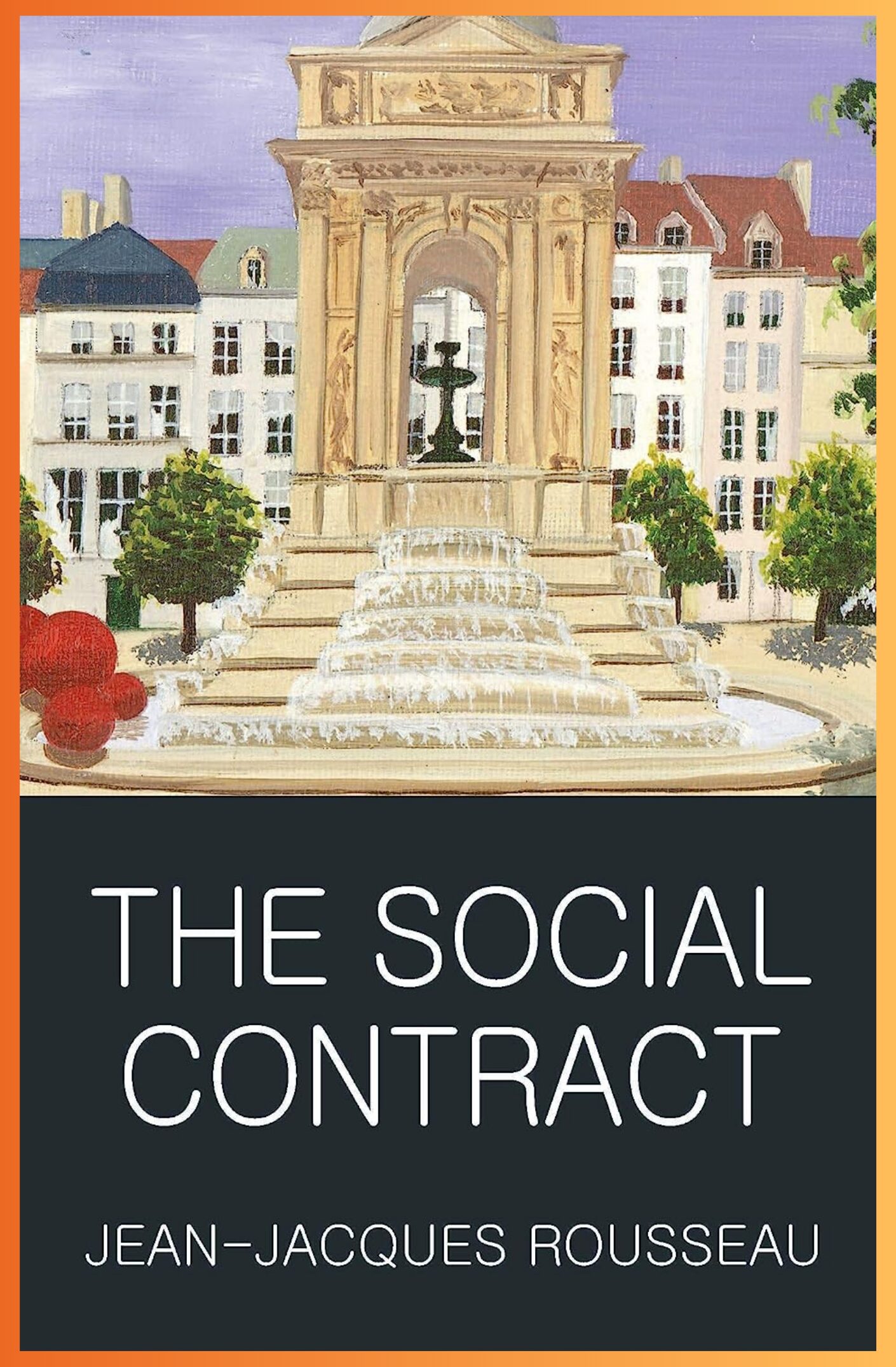
Philosopher Jean-Jacques Rousseau believed that the desire for more is driven by the desire for recognition and status in society. He argued that humans compare themselves to others and seek to gain superiority over them, leading to a constant desire for more possessions.
Rousseau was a French philosopher who lived in the 18th century. He believed that the human desire for more stemmed from our tendency to compare ourselves to others and desire recognition and admiration from them. This desire for social status leads us to accumulate possessions, which we believe will give us the validation we crave.







Why “More Is Better” Perspective #7.
From a sociological perspective, the concept of wanting more is linked to capitalism as an economic system. Capitalism relies on the constant production and consumption of goods, creating a culture that values material possessions and profits. This cultural attitude reinforces the idea that the acquisition of more is necessary for success and happiness.
Many sociologists argue that our desire for more is shaped by the capitalist economic system that dominates modern society. Capitalism relies on the constant production and consumption of goods, creating a culture that values material possessions and profits. This cultural attitude reinforces the idea that the acquisition of more is necessary for success and happiness.
The Marxist philosopher, Erich Fromm, argued that capitalism creates a false sense of need in individuals through advertising and other marketing tactics. He suggested that capitalism forces individuals to constantly strive for more through the creation of artificial needs, which are not essential for human survival or well-being.
Why “More Is Better” Perspective #8.
Some spiritual and religious traditions argue that the desire for more is a result of detachment from our true spiritual (or Godly) nature. For example, Buddhism teaches that materialistic desire is the root of most human suffering, and true happiness can only be achieved when we let go of our attachment to material possessions and focus on inner peace and enlightenment. Similarly, Christianity emphasizes the importance of spiritual wealth over material wealth, suggesting that true happiness and fulfillment come from a relationship with God.
Buddhism is a spiritual tradition that originated in ancient India and teaches that desire is the root of suffering, and that true happiness can only be achieved when we let go of our attachment to material possessions and focus on inner peace and enlightenment. Many Buddhist teachers, such as the Dalai Lama, have advocated for a balanced approach to life, emphasising the importance of developing both inner wealth and external possessions.
Christianity is another spiritual tradition which has a strong emphasis on living in accordance with God’s will. It teaches that true happiness and fulfillment come from having a relationship with God rather than from accumulating material possessions. Christianity emphasizes the importance of spiritual wealth over material wealth and advocates for living simply, striving for contentment in all aspects of life rather than chasing after status or recognition.
Insights Into our Own Behavior
By understanding these perspectives, we can gain insight into our behavior and make wise choices that align with our values. It is important to remember that fulfillment should be measured through our own lenses, not those of society. The only way to truly have it all is to find happiness in each moment, rather than chasing after the elusive idea of getting ‘more stuff’ and/or ‘having it all’.
By considering various viewpoints, we can see that material possessions do not guarantee genuine satisfaction in life. Thus, we should pursue a balanced approach to life that emphasizes thankfulness and satisfaction with what we possess. This quest for inner harmony and understanding will ultimately lead to a more gratifying and purposeful existence.
Rather than chasing after the idea of having it all, we can find peace in life through being grateful for what we already have. The key to happiness lies not in acquiring more but rather understanding our values and finding contentment within. We must remember that no matter how much wealth or success we acquire, genuine fulfillment can only come from within.