Introduction
Positive psychology is a relatively recent branch of psychology that has swiftly gained recognition and popularity in both academic and public circles. Yet, the origins of this upbeat field, which focuses on promoting human flourishing and enhancing quality of life, are deeply rooted in the evolution of psychological thought. This article will take you on a journey through time, tracing the emergence of positive psychology from its early influences to its formal establishment as a distinct area of study.
We’ll explore the pioneering thinkers who paved the way, the cultural and scientific contexts that shaped its development, and the transformative ideas that have made positive psychology a vital part of understanding the full spectrum of the human experience. So, let’s embark on this exploration of how positive psychology came to be, and how it continues to impact our perceptions of mental health, happiness, and human potential.
Early Influences of Positive Psychology
The origins of positive psychology, while formally traced to the late 20th century, indeed have deeper roots in the annals of human thought. Before it became a recognized field of study within psychology, concepts central to positive psychology were explored in philosophical and spiritual traditions around the world.
Ancient Philosophical Traditions
One of the earliest influences on positive psychology comes from ancient Greek philosophy. The Greeks had a concept known as ‘Eudaemonia‘, often translated as ‘flourishing’ or ‘the good life’. Aristotle, one of the most influential Greek philosophers, considered eudaemonia the highest human good. He believed that true happiness came from a life of virtue and the fulfillment of one’s potential. This idea is echoed in positive psychology’s focus on personal growth and the cultivation of strengths.
Similarly, Stoicism, another branch of Greek philosophy, emphasized emotional resilience and the pursuit of virtue. Stoics like Epictetus taught that while we can’t control everything that happens to us, we can control our responses, an idea that resonates with modern understandings of resilience and emotional regulation.
Eastern Spiritual Traditions
Eastern spiritual traditions, including Buddhism, Taoism, and Hinduism, also contributed key principles that would later be integral to positive psychology. Mindfulness, which has been popularized in the West largely through the influence of Buddhism, is now a core element of many positive psychology interventions. It refers to the practice of being fully engaged in the current moment without judgment.
Taoist principles of harmony and balance and Hindu teachings on self-realization and the cultivation of inner peace also align closely with many of positive psychology’s goals.
Early Psychological Thought
In the realm of psychology itself, figures like William James, often referred to as the ‘father of American psychology’, made significant contributions. James emphasized the importance of studying the full range of human experiences, including positive aspects like consciousness, perception, and emotion. His work laid the foundation for later psychological approaches, including humanistic psychology, which directly influenced the emergence of positive psychology.
The early influences of positive psychology are both diverse and deep-rooted, spanning across different cultures and centuries. These historical perspectives set the stage for the formal establishment of positive psychology, providing a rich tapestry of ideas about happiness, virtue, and the good life.
Humanistic Psychology
Humanistic psychology, often referred to as the “third force” in psychology after psychoanalysis and behaviorism, played a significant role in laying the groundwork for the emergence of positive psychology. Emerging in the mid-20th century, humanistic psychology introduced a fresh perspective on the human experience that focused not just on pathology, but also on the potential for growth and self-actualization.
Two key figures in humanistic psychology were Abraham Maslow and Carl Rogers. Maslow is best known for his hierarchy of needs, a model that describes human motivation from basic physiological needs to the need for self-actualization, which he defined as the realization of one’s full potential. This focus on personal growth and self-fulfillment is a central theme in positive psychology.
Carl Rogers, another prominent humanist psychologist, introduced the concept of ‘unconditional positive regard’ – the idea that each individual deserves acceptance and love from others regardless of their actions or behavior. Rogers emphasized the importance of empathy and genuine understanding in helping individuals reach their potential. His person-centered therapeutic approach has greatly influenced positive psychology’s emphasis on strengths and virtues.
Key Concepts
Humanistic psychology introduced several key concepts that have been integral to the development of positive psychology. These include:
# Self-Actualization: The idea that humans have an inherent drive towards growth, fulfillment, and the realization of their potential. This concept is central to positive psychology’s focus on strengths, virtues, and personal growth.
# Holistic Perspective: Humanistic psychologists view individuals as integrated wholes, rather than a collection of parts or symptoms. This holistic perspective aligns with positive psychology’s comprehensive view of well-being.
# Inherent Goodness: Humanistic psychology posits that people are inherently good and possess an innate capacity for goodness, which contrasts with perspectives that focus primarily on human flaws or pathologies.
# Subjective Experience: Humanistic psychology emphasizes the importance of subjective experience and personal perception of the world, underscoring the value of personal narratives and subjective well-being, both of which are crucial in positive psychology.
In essence, humanistic psychology, with its focus on human potential, personal growth, and the importance of subjective experience, provided a foundation for the principles and practices of positive psychology. Its influence can be seen in positive psychology’s emphasis on strengths, the promotion of well-being, and the pursuit of a fulfilling life.
















The Cognitive Revolution
The cognitive revolution in the 1950s and 1960s marked a significant shift in the field of psychology, moving away from behaviorism’s focus on observable behavior to an emphasis on understanding the mental processes that underlie human experience. This shift played a crucial role in paving the way for the emergence of positive psychology.
During the cognitive revolution, psychologists began to study mental processes such as memory, perception, attention, problem-solving, and decision-making. This was a departure from the dominant behaviorist approach, which suggested that psychology should only study observable behaviors and the responses to environmental stimuli. The new cognitive approach recognized the importance of internal mental states in understanding human behavior.
Several aspects of the cognitive revolution directly influenced the development of positive psychology:
# Subjective Well-being: The cognitive revolution acknowledged the importance of subjective experiences and perceptions, paving the way for the study of subjective well-being – a key area in positive psychology. The focus shifted toward understanding how cognitive processes, like interpretation and appraisal of life events, contribute to happiness and satisfaction.
# Cognitive-Behavioral Therapies: The cognitive revolution led to the development of cognitive-behavioral therapies (CBT), which aim to change maladaptive thought patterns to improve emotional states and behaviors. CBT’s focus on empowering individuals to change their thinking and behavior aligns closely with positive psychology’s emphasis on personal growth and self-efficacy.
# Positive Cognitive States: The cognitive perspective allowed for the exploration of positive cognitive states such as optimism, resilience, and hope. These constructs are now central to positive psychology and are seen as key factors in promoting well-being and coping with adversity.
# Mindfulness and Meditation: The cognitive revolution also opened the door for the scientific investigation of mindfulness and meditation. Mindfulness, which involves bringing one’s attention to experiences occurring in the present moment without judgment, is now widely recognized in positive psychology for its benefits in stress reduction, mental health, and well-being.
In conclusion, the cognitive revolution in the 1950s and 1960s significantly contributed to the theoretical underpinnings of positive psychology. By emphasising the importance of mental process and subjective experiences, it laid the groundwork for a more holistic understanding of human behavior and experience, providing a foundation for the exploration of positive human traits and the promotion of well-being.
The Establishment of Positive Psychology
The establishment of positive psychology as a distinct field is most commonly attributed to psychologist Martin Seligman. In the late 20th century, Seligman, along with his colleagues, recognized a need for a shift in psychology’s traditional focus on mental illness and dysfunction towards a focus on human strengths and virtues.
Seligman, during his tenure as the president of the American Psychological Association in 1998, used his platform to promote this new approach. He argued that psychology had become overly focused on pathology and that this focus neglected the more positive aspects of human experience. Seligman’s vision was to create a field of psychology that would complement the existing approaches by studying and promoting factors that allow individuals, communities, and societies to flourish.
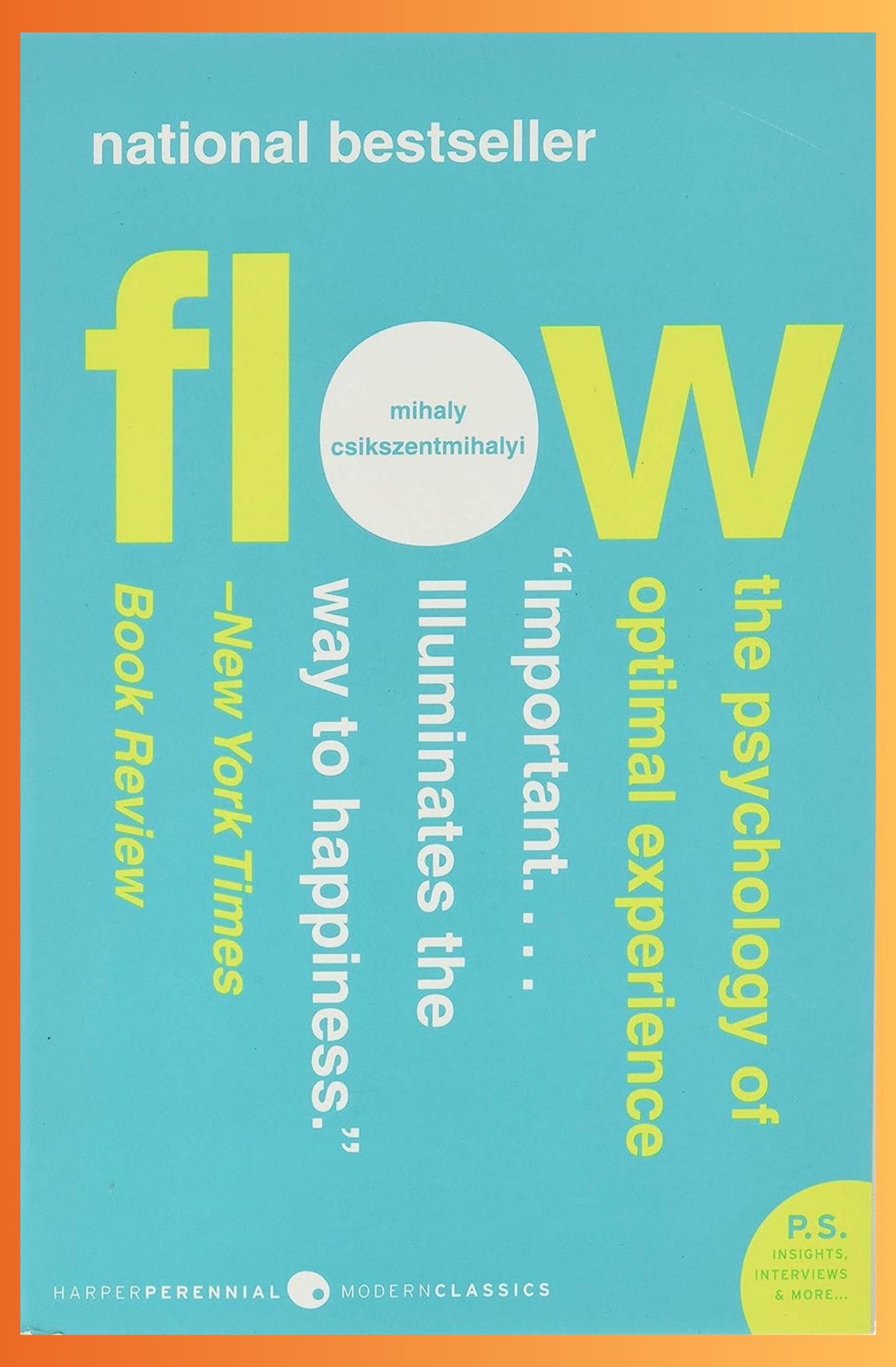
To provide structure to this new field, Seligman and his colleague Mihaly Csikszentmihalyi identified three core pillars of positive psychology:
# Positive Experiences: This pillar focuses on understanding positive emotions like happiness, joy, inspiration, and love. It also explores the concept of ‘flow’, a state of deep immersion and engagement in activities.
# Positive Individual Traits: This pillar involves the study of character strengths and virtues, such as resilience, courage, integrity, and wisdom. The aim is to understand these positive traits and how they can be encouraged and developed.
# Positive Institutions: This pillar examines how institutions such as schools, workplaces, communities, and societies can be designed to foster positive experiences and individual traits. It also looks at how these institutions can contribute to the well-being of their members.
Since its formal establishment, positive psychology has seen significant advancements. Research has deepened our understanding of positive emotions, character strengths, and the conditions that enable individuals and communities to thrive. The field has also seen the development of various assessments and interventions designed to enhance well-being and promote flourishing.
In conclusion, the establishment of positive psychology marked a significant shift in the field of psychology. By focusing on the positive aspects of human experience and the promotion of human strengths and virtues, positive psychology provides a much-needed counterbalance to the traditional focus on pathology, offering a more holistic view of human behavior and well-being.
In Summary
In summary, the origins of positive psychology are as diverse and dynamic as the field itself, drawing from ancient philosophical traditions, humanistic psychology, cognitive science, and the visionary thinking of its founders. Positive psychology represents a significant departure from traditional psychological approaches, shifting the focus from pathology to potential, from illness to well-being, and from deficits to strengths.
From the early influences of Greek philosophy’s concept of ‘Eudaimonia’ and Eastern teachings on mindfulness, through the humanistic psychology movement and the cognitive revolution, to the formal establishment by Martin Seligman and Mihaly Csikszentmihalyi, positive psychology has evolved into a vibrant field dedicated to understanding and promoting the factors that allow individuals and communities to thrive.
Today, positive psychology continues to evolve, providing valuable insights into human resilience, and flourishing. Its influence can be seen in various domains, including education, business, therapy, and personal development. As we move forward, the principles of positive psychology offer a roadmap to a more holistic understanding of the human experience – one that embraces both our struggles and our strengths, and acknowledges the importance of both healing and thriving in our pursuit of the good life.