
Rosalynn Carter: Life and Works
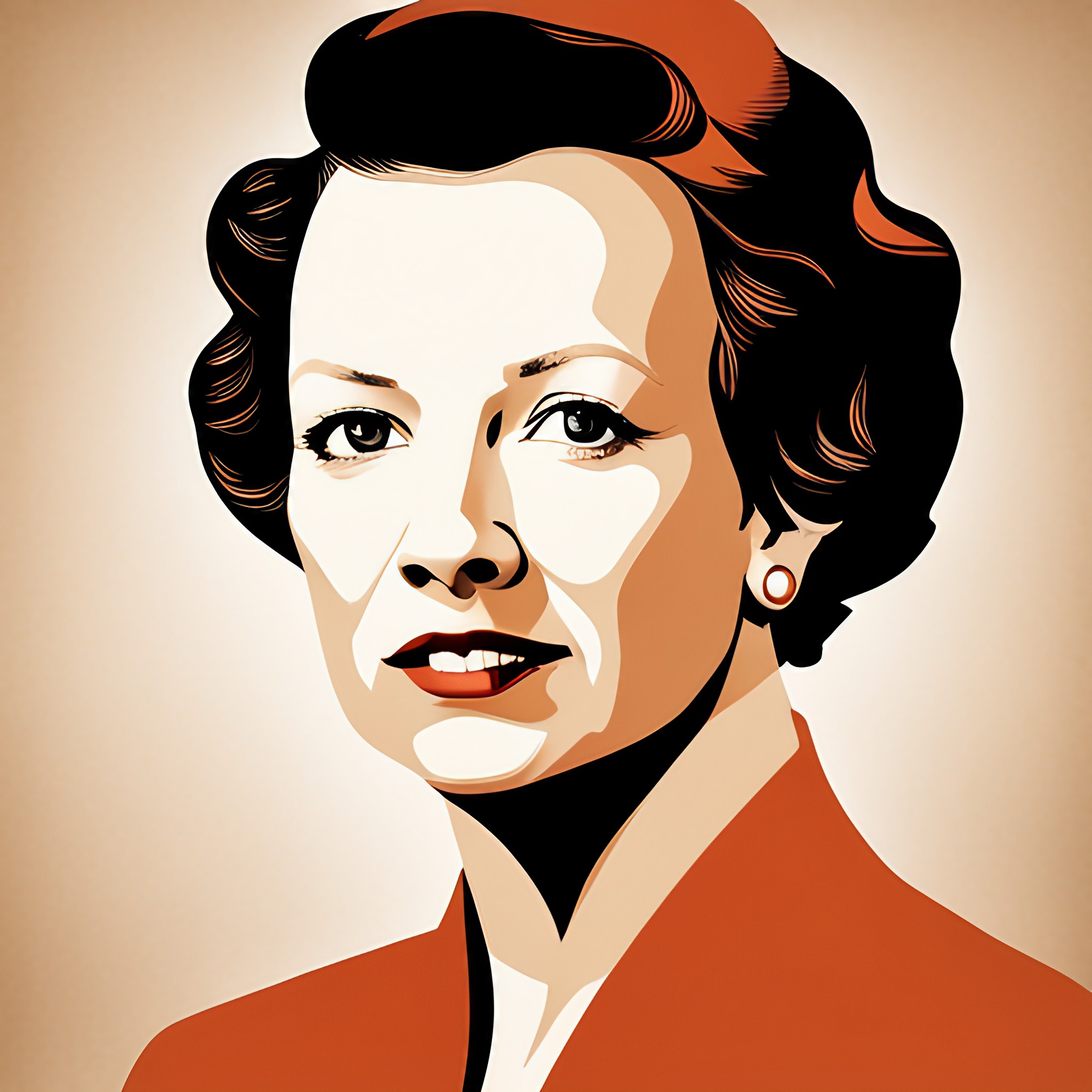
Rosalynn Carter is a name that has become synonymous with mental health advocacy. As the wife of former President Jimmy Carter and the First Lady of the United States from 1977 to 1981, she used her platform to champion causes related to mental health and psychology, bringing attention to an often-ignored issue.
The first time Carter voiced her concern for the mental wellbeing of people throughout the US was during her husband’s first campaign for governor in 1966, outside an old Georgian cotton mill. She was passionate about supporting the mental health needs of Americans, and insisted that her husband continue to keep this issue at the forefront of his agenda.
Throughout her time as First Lady Rosalynn Carter championed mental health issues in the US, bringing the conversation into the public arena for the first time. She saw firsthand the devastating effects that untreated mental illness could have on individuals and families, and she was determined to make a difference. Rosalynn worked to de-stigmatize mental illness and helped to create an understanding of it as something that deserves both focussed attention.
One of the most significant initiatives that Carter championed was the creation of the Mental Health Systems Act of 1980. This legislation provided funding for mental health services and research, as well as community-based treatment programs. The act was a landmark piece of legislation that helped to transform the way that mental health was discussed and treated in the United States.
In addition to her work on the Mental Health Systems Act, Carter also focused on raising awareness about mental health issues through public speaking and advocacy. She spoke openly about her own experiences with depression, sharing her story in order to help others who may be struggling with similar challenges.
Carter’s efforts had a profound impact on the field of mental health. Her advocacy helped to increase funding for mental health services and research, and her willingness to speak openly about her own experiences helped to break down the stigma surrounding mental illness.
Helping Someone with Mental Illness
Her book Helping Someone with Mental Illness: A Compassionate Guide for Family, Friends, and Caregivers was co-authored with Susan Golant and won the American Society of Journalists and Authors award for best self-help book of 1999.
Carter was recognised for her commitment and time as an Honorary Fellow of the American Psychiatric Association and National Mental Health Association Volunteer in the 1980’s. She was also awarded the Presidential Medal of Freedom, the nation’s greatest civilian honour.
Carter chaired the Carter Center Mental Health Task Force, as well as the World Federation for Mental Health’s Committee of International Women Leaders for Mental Health, which constituted first ladies, royalty, and heads of state. Into her 70’s, she remained convinced that enhancing the lives of those undergoing mental hardship is fully achievable.
Carter’s three books with Susan K. Golant, Helping Yourself Help Others: A Book for Caregivers; Helping Someone with Mental Illness: A Compassionate Guide for Family, Friends, and Caregivers; and Within Our Reach: Ending the Mental Health Crisis have reached and impacted the lives of millions of people across the nations.
Today, mental health is treated with much greater awareness and understanding than it was in the past, due in no small part to the efforts of Rosalynn Carter and other advocates like her. According to the National Alliance on Mental Illness (NAMI), one in five Americans will experience a mental health condition in their lifetime, and the need for treatment and support is more important than ever.
Despite the progress that has been made, there is still much work to be done. Mental health issues continue to be stigmatized and misunderstood, and many individuals still do not have access to the care they need. However, by looking back at the work of Rosalynn Carter and other mental health advocates, we can learn important lessons about the power of advocacy and the importance of speaking out on behalf of those who may not have a voice.
In a 2015 interview with NPR, Carter summed up her approach to mental health advocacy: “If there’s anything you can do to make people aware and to help those who are suffering, then that’s what you should do.” Her words serve as an important reminder that, despite the challenges that remain, we all have a role to play in creating a more compassionate and understanding world.
Rosalynn Carter’s work to advocate for mental health has been an inspiration for generations of activists, and her legacy continues to be felt today. Her passion and dedication have helped transform the way we view and approach mental illness, making it possible for individuals to get the help they need.
Five Popular Quotes by Rosalynn Carter
“A leader takes people where they want to go. A great leader takes people where they don’t necessarily want to go, but ought to be.” – Rosalynn Carter.
“I believe that one of the most important things to learn in life is that you can make a difference in your community no matter who you are or where you live.” – Rosalynn Carter.
“Do what you can to show you care about other people, and you will make our world a better place.” – Rosalynn Carter.
“Kindness is the connection that links us all together and strengthens the bonds within our communities, neighbourhoods, and families.” – Rosalynn Carter.
“People with mental problems are our neighbours. They are members of our congregations, our families; they are everywhere in this country. If we ignore their cries for help, we will be continuing to participate in the anguish from which those cries have come.” – Rosalynn Carter.
Selected Publications by Rosalynn Carter
- Helping Yourself Help Others: A Book for Caregivers (Times Books, 1994)
- Helping someone with mental illness: A compassionate guide for family, friends, and caregivers (Times Books, 1998)
- Within our reach: Ending the mental health crisis (Rodale Press, 2010)