
Person-centred psychology, also known as client-centered therapy or person-centered therapy, is a school of psychological thought that has fundamentally transformed the field of psychotherapy. It represents a shift from a therapist-directed approach to one where the client is an active participant in their own healing process.
Origins of Person-Centred Psychology
The roots of person-centred psychology trace back to the mid-20th century and are closely associated with American psychologist Carl R. Rogers. Rogers, originally a ministry student, transitioned into the field of psychology, bringing with him a philosophy of empathy, respect, and understanding.
Rogers’ approach was a stark contrast to the dominant psychoanalytic and behaviorist approaches of his time. While these traditional methods viewed the therapist as an expert who guided treatment, Rogers proposed that each individual has the innate capacity for understanding and resolving their own issues. He posited that the therapist’s role was not to direct, but to facilitate this process by providing a supportive, non-judgmental environment.
The Key Concepts
Person-centred psychology, established by Carl Rogers, is a humanistic approach that emphasizes the individual’s inherent drive towards self-actualization. It’s based on the belief that each person has the capacity and desire for personal growth. Here are the key concepts of person-centred psychology:
Self-Actualization: This concept refers to the intrinsic human drive to fulfill one’s potential and achieve the highest level of ‘human-beingness’ we can. It’s about becoming more aware, creative and accepting oneself.
Unconditional Positive Regard: Unconditional positive regard is an attitude of total acceptance and non-judgmental understanding that the therapist extends towards the client. It means accepting the client as they are, without any conditions or prerequisites. This approach helps clients explore their feelings and thoughts without fear of rejection or judgment.
Empathy: Empathy in person-centred helping goes beyond understanding. It involves the practitioner truly entering the client’s world, seeing their experiences from their perspective. This empathetic understanding helps the client feel validated and heard, which can foster self-understanding and growth.
Congruence: Also known as genuineness, congruence refers to the therapist’s authenticity. Unlike traditional therapeutic approaches where the therapist maintains a professional distance, person-centred therapy encourages therapists to bring their true selves into the therapeutic relationship. This congruence fosters trust and helps the client open up more.
Client Autonomy: In person-centred therapy, the client is not a passive recipient of treatment but an active participant. The therapist does not direct the therapy but facilitates an environment that allows the client to explore their thoughts freely and find their own solutions. This respect for client autonomy acknowledges the client’s capacity for self-determination and promotes personal growth.
Non-Directive Approach: Unlike other therapies that promote ‘healing’ techniques and interventions, person-centred therapy is non-directive. The therapist does not lead the session or provide solutions, but instead follows the client’s lead, allowing them to explore their thoughts at their own pace.
These key concepts of person-centred psychology revolve around respect for the individual’s experience, unconditional acceptance, empathy, and authenticity. These principles have helped shape an approach that values human potential and the individual’s capacity for self-directed growth.
Evolution of Person-Centred Psychology
Over the years, person-centred psychology has evolved and influenced numerous areas of psychological practice and study. It has given rise to various therapeutic approaches like humanistic therapy, existential therapy, and gestalt therapy, all of which emphasize personal growth and self-actualization.
Moreover, the principles of person-centred psychology have been applied beyond psychotherapy. They’re seen in fields like education, where student-centered learning approaches have been developed, and in business, where person-centred principles are used to enhance customer service and employee engagement.
Impact of Person-Centred Psychology
The impact of person-centred psychology cannot be overstated. It has not only reshaped therapeutic practice, making it more humane and respectful, but has also empowered individuals to take an active role in their mental health journey. It is a testament to the power of empathy, respect, and genuine human connection in fostering psychological growth and well-being.
Person-centred psychology, born out of Carl Roger’s revolutionary thinking, has left an indelible mark on the field of psychology. Its emphasis on the individual’s inherent capacity for growth and self-understanding continues to guide therapists and empower clients, affirming its timeless relevance in the ever-evolving landscape of psychological practice.











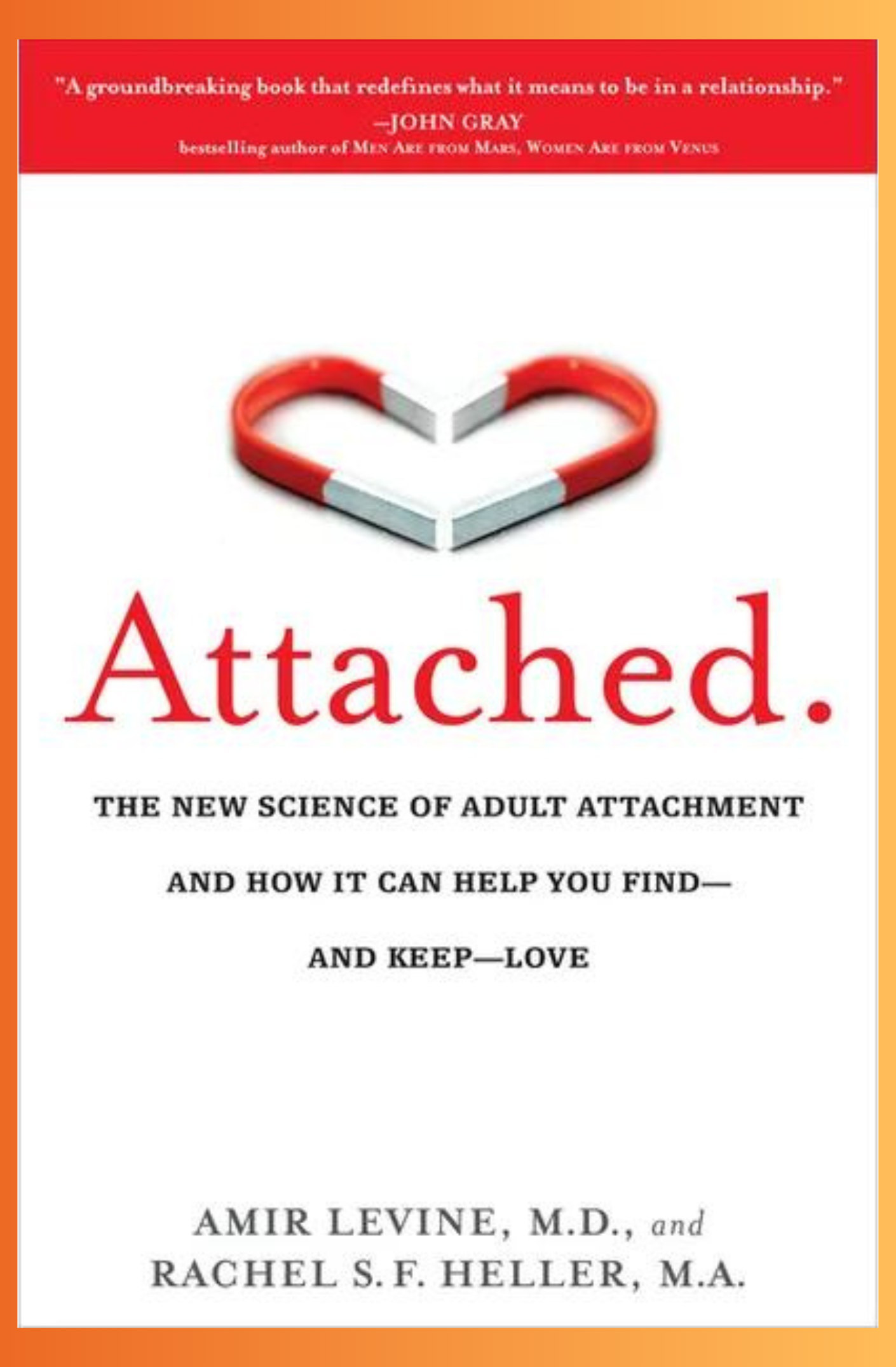

Five Noteworthy Reads
There is a wide variety of books on person-centred psychology, which can make it difficult to choose the right one. To make it easier for you to find what you need, here are the top five books on the topic. They range from introductory texts to more advanced readings.
#1. ‘Carl Rogers: A Critical Biography’ by Howard Kirschenbaum.
In the 1930s, Carl Rogers came up with the term ‘counselling’ and was among the pioneers who believed that individuals could resolve their internal conflicts without the aid of a professional therapist. The book offers a comprehensive examination of Carl Rogers’ life and career, while delving deeper into the theories that led to the development of person-centred approaches. Reading this book is crucial for those who seek to understand the background of this approach and its differences from other psychological disciplines.
#2. ‘Person-Centered Therapy in Action’ by Dave Mearns and Brian Thorne.
The book includes topics such as the core elements of person-centred counselling and therapists’ responses to clients. It also examines various case studies in order to demonstrate how person-centered approaches can be effectively applied in practice. Each chapter explains a theory in depth as well as offering exercises for practitioners to use when applying these concepts in clinical settings. This book is ideal for those who have already gained some knowledge of person-centred psychology but want additional guidance on how best to apply it.
#3. ‘On Becoming a Person’ by Carl Rogers
The late Carl Rogers, founder of the humanistic psychology movement, revolutionized psychotherapy with his concept of “client-centered therapy.” His influence has spanned decades, but that influence has become so much a part of mainstream psychology that the ingenious nature of his work has almost been forgotten. A new introduction by Peter Kramer sheds light on the significance of Dr. Rogers’s work today.
New discoveries in the field of psychopharmacology, especially that of the antidepressant Prozac, have spawned a quick-fix drug revolution that has obscured the psychotherapeutic relationship. As the pendulum slowly swings back toward an appreciation of the therapeutic encounter, Dr. Rogers’s “client-centered therapy” becomes particularly timely and important.
#4. ‘Skills in Person-Centred Counselling’ by Janet Tolan.
The book looks at the history of person-centred approaches and highlights their strengths and weaknesses. It covers topics such as self-actualization, unconditional regard, empathy, and genuineness. Tolan provides advice on how to apply these concepts in practice, while exploring the wider implications they have on our society. This bestselling classic has guided thousands of students and practitioners step-by-step through the skills and theory of the person-centred approach. Fully updated, the third Edition includes numerous new exercises and case studies, a thoroughly-revised chapter on recent debates and developments, as well as new chapters on politics, prejudice, power struggle, privilege and understanding client perception.
#5. Ego Is the Enemy by Ryan Holliday
Ego Is the Enemy draws on a vast array of stories and examples, from literature to philosophy to history. We meet fascinating figures such as George Marshall, Jackie Robinson, Katharine Graham, Bill Belichick, and Eleanor Roosevelt, who all reached the highest levels of power and success by conquering their own egos. Their strategies and tactics can be ours as well.
In an era that glorifies social media, reality TV, and other forms of shameless self-promotion, the battle against ego must be fought on many fronts. Armed with the lessons in this book, as Holiday writes, “you will be less invested in the story you tell about your own specialness, and as a result, you will be liberated to accomplish the world-changing work you’ve set out to achieve.”
These five titles are essential reads for anyone interested in learning about person-centred practice. They provide insights into the background and fundamentals while offering practical advice on how to apply it in different settings. Whether you’re a therapist, counsellor or simply someone looking to gain a deeper understanding of this field, these books will arm you with the knowledge needed to develop an understanding of what person-centred therapy is, and how it’s typically applied.