Having a positive and growth-oriented mindset is essential for achieving success and happiness in life. Your mindset influences how you perceive the world around you, how you approach challenges, and ultimately, your ability to achieve your goals.
In this article, we will explore the power of useful thinking and how it can transform your mindset. We’ll delve into the benefits of a growth mindset, identify limiting beliefs that might be holding you back, and provide practical strategies for changing your mindset towards a more positive and productive outlook on life. Whether you’re looking to overcome self-doubt or unlock new opportunities for personal growth, this post will provide valuable insights to help you change your mindset and achieve more in life.
Understanding Mindset:
Mindset refers to the beliefs, attitudes, and perceptions that shape our thoughts and behaviors. It is a mental framework that influences how we interpret and respond to the world. Our mindset can be either fixed or growth-oriented.A fixed mindset is characterized by the belief that our abilities and traits are predetermined and cannot be changed.
People with a fixed mindset tend to avoid challenges, give up easily when faced with obstacles, and view effort as fruitless. They often believe that intelligence and talent are innate qualities that cannot be developed through hard work or practice. On the other hand, a growth mindset is characterized by the belief that our abilities can be developed through dedication and hard work. People with a growth mindset embrace challenges, persist in the face of setbacks, and see effort as a necessary component of success.
They believe that intelligence and talent are not fixed qualities but can be cultivated over time through learning, practice, and perseverance.Understanding your own mindset is crucial for personal growth and development. By recognizing whether you have a fixed or growth mindset, you can take steps towards cultivating a more positive outlook on life. In the following sections of this post, we’ll explore some of the benefits of having a growth mindset and provide practical strategies for changing your own mindset towards one that is more productive and fulfilling.
The Benefits of a Growth Mindset
Having a growth mindset has numerous benefits that can help you achieve more in life. Here are just a few of the most significant advantages:
1. Increased Resilience:
When faced with challenges, people with a growth mindset are more likely to persevere and find ways to overcome obstacles. By viewing setbacks as opportunities for learning and growth, they are better equipped to bounce back from adversity.
2. Improved Relationships:
A growth mindset can also improve your relationships with others. People with this mindset tend to be more open-minded and receptive to feedback, which can make them more effective communicators and collaborators.
3. Greater Creativity:
A growth mindset encourages experimentation and risk-taking, which can lead to greater creativity and innovation. When you believe that your abilities can be developed over time, you’re more likely to try new things and explore different approaches.
4. Increased Motivation:
People with a growth mindset are often highly motivated because they see effort as a necessary component of success. They understand that hard work pays off in the long run, which can provide the drive needed to pursue ambitious goals.
5. Enhanced Learning:
Finally, having a growth mindset can enhance your ability to learn and acquire new skills. By embracing challenges and seeking out opportunities for improvement, you’re more likely to develop expertise in areas that matter to you.
Cultivating a growth mindset can have far-reaching benefits for personal and professional success. By adopting this perspective on life, you’ll be better equipped to handle challenges, build strong relationships, unleash your creativity, stay motivated towards your goals, and continue learning throughout your life’s journey.
Identifying Limiting Beliefs
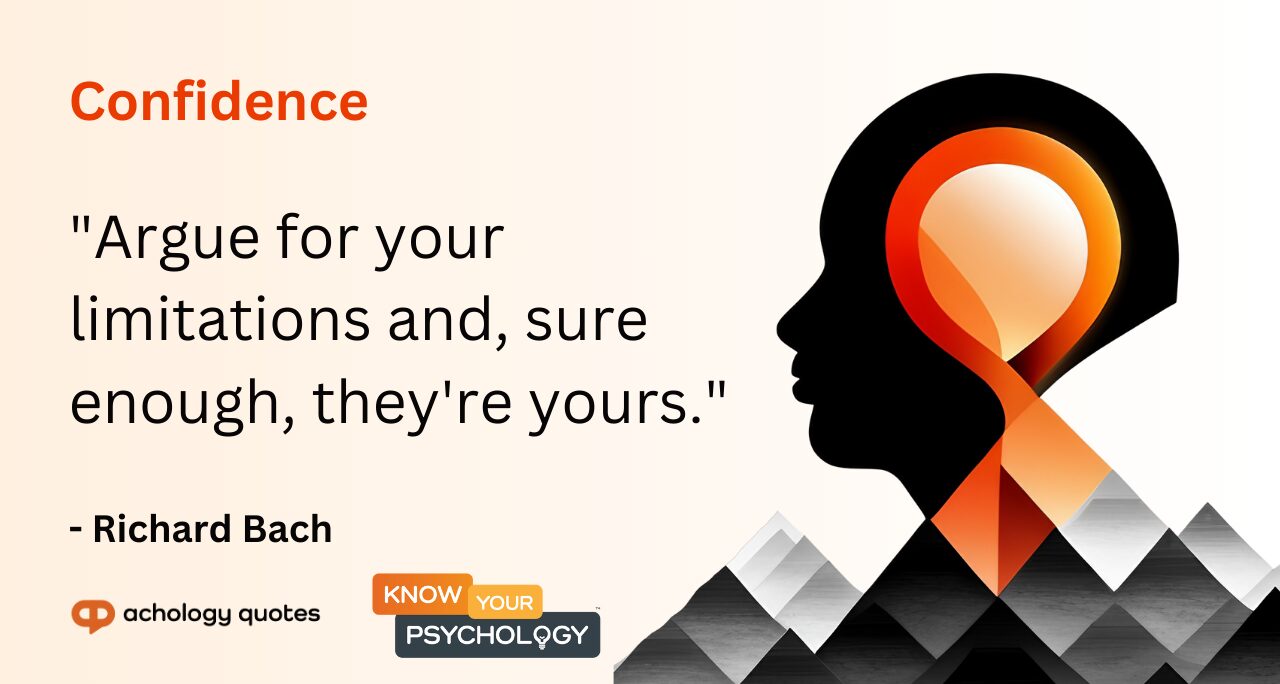
Identifying limiting beliefs is a crucial step in personal growth and development. These beliefs are negative thoughts or assumptions that can hold us back from achieving our full potential. They often stem from past experiences, cultural conditioning, or other factors that have shaped our worldview.
The first step in identifying limiting beliefs is to become aware of them. This involves paying attention to your inner dialogue and noticing any recurring negative thoughts or self-talk. For example, you might notice that you often think “I’m not good enough” or “I’ll never be successful.”
Once you’ve identified your limiting beliefs, it’s important to challenge them. Ask yourself whether they’re really true and consider alternative perspectives. For example, if you believe that you’re not good enough, ask yourself what evidence supports this belief and whether there are any examples of times when you have succeeded.
Another helpful strategy is to reframe your thinking by focusing on positive affirmations and visualizations. Instead of dwelling on negative thoughts, try imagining yourself succeeding or accomplishing your goals. Use positive self-talk to reinforce your confidence and belief in yourself.
Ultimately, overcoming limiting beliefs requires persistence, patience, and a willingness to change. By challenging these negative thoughts and replacing them with positive ones, you can develop a more empowering mindset that will help you achieve your full potential in life.
Three Common Types of Irrational Beliefs
Albert Ellis was a psychologist who developed Rational Emotive Behavior Therapy, which is a form of cognitive-behavioral therapy that focuses on identifying and challenging irrational beliefs that can lead to emotional distress. According to Ellis, there are three common types of irrational beliefs that can limit our potential:
Type 1) “I must always be perfect”: This belief involves setting unrealistic standards for oneself and feeling like a failure when those standards are not met. Ellis believed that this belief can lead to anxiety, depression, and other forms of emotional distress.
Type 2) “Others must treat me fairly at all times”: This belief involves placing unrealistic expectations on others and feeling resentful when they do not meet those expectations. Ellis believed that this belief can lead to conflict in relationships and feelings of victimization.
Type 3) “The world should always be the way I want it to be”: This belief involves feeling entitled to have things go your way all the time and feeling frustrated or angry when they don’t. Ellis believed that this belief can lead to feelings of helplessness and hopelessness.
According to Ellis, these beliefs are often based on faulty reasoning or distorted thinking patterns. By recognizing these beliefs and challenging them with rational counterarguments, individuals can learn to develop more realistic and adaptive ways of thinking that will improve their mental health and overall well-being.
Changing Your Mindset
Changing your mindset can be a challenging process, but it is a crucial step towards personal growth. A mindset refers to the set of beliefs and attitudes that shape how we view ourselves, others, and the world around us. Developing a more positive and productive mindset can help us overcome obstacles, achieve our goals, and lead a more fulfilling life.
One strategy for changing your mindset is mindfulness. Mindfulness involves being present in the moment and observing your thoughts without judgment. This can help you become more aware of negative thinking patterns or limiting beliefs that may be holding you back.










By practicing mindfulness regularly, you can learn to recognize these thoughts and replace them with more positive ones.Another helpful strategy is to reframe your thinking by focusing on gratitude and positivity. Instead of dwelling on negative thoughts or experiences, try to find something positive in every situation. For example, if you’re facing a setback at work, focus on what you’ve learned from the experience rather than dwelling on your mistakes. It’s also important to surround yourself with positivity whenever possible.
Ultimately, changing your mindset requires commitment and consistency over time. It won’t happen overnight, but with patience and perseverance, you can develop new habits of thought that will help you overcome challenges and achieve success in all areas of your life.
Summary and Conclusion
Developing a positive mindset can be challenging, but it is essential for personal growth and well-being. Strategies such as practicing gratitude, re-framing negative thoughts, focusing on what you can control, taking care of yourself physically and mentally, finding humor in the situation, and seeking support from friends or professionals can help shift your outlook towards a more positive mindset. By incorporating these positive mindset strategies into your daily routine, you can overcome obstacles and lead a far more fulfilling lifestyle.