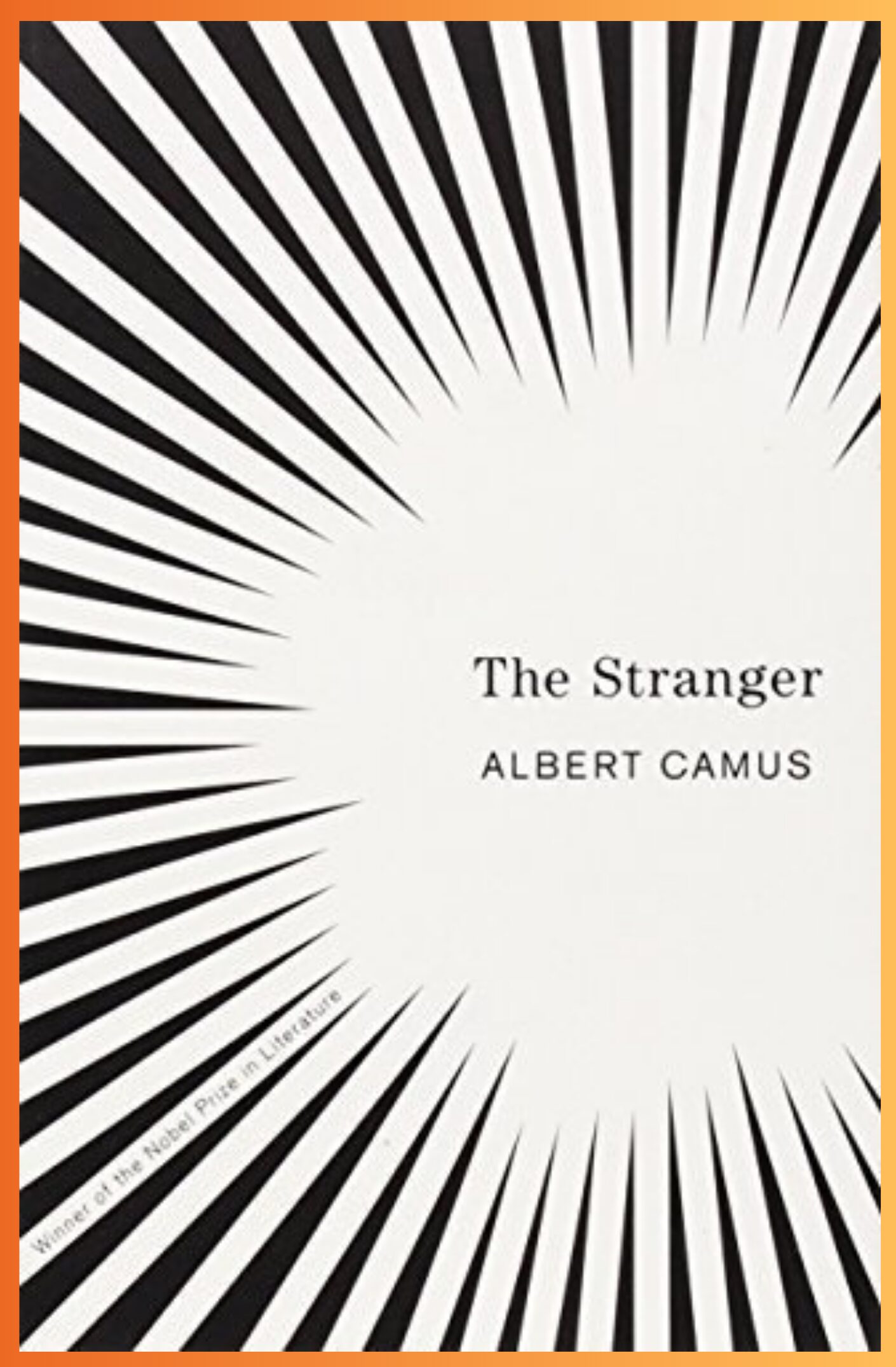
“The Stranger” is a compelling novel by Albert Camus, an influential philosopher and writer of the 20th century. Published in 1942, this book offers a profound exploration of existentialism and the human condition, making it a classic in modern literature.
In “The Stranger,” the protagonist, Meursault, is an emotionally detached French Algerian who commits an act of violence on a sun-drenched beach and is subsequently tried for murder. The narrative unfolds as Meursault’s indifference towards societal norms and emotional expectations challenges the reader’s understanding of human morality and justice.
One notable quote from the book is: “Mother died today. Or maybe yesterday; I can’t be sure.” This opening line introduces Meursault’s emotional detachment and indifference, which are central themes of the novel.
Another insightful quote is: “I opened myself to the gentle indifference of the world.” Here, Meursault expresses his acceptance of the universe’s indifference towards human existence, which resonates with Camus’s philosophical concept of the absurd.
Throughout “The Stranger,” Camus explores various aspects of existentialism and absurdism, providing a comprehensive exploration of these philosophical themes. He delves into topics such as the meaninglessness of life, the inevitability of death, and the freedom of choice, offering deep insights into the human condition.
Camus also reflects on the implications of Meursault’s indifference for societal norms and moral judgments. He suggests that Meursault’s inability to express conventional emotions and adhere to social norms leads to his condemnation, raising questions about the nature of justice and the role of subjective emotions in legal judgment.
In the later sections, Meursault’s trial takes center stage. His lack of remorse and failure to conform to societal expectations of grief and regret make him a stranger to society. The trial becomes less about the crime committed and more about Meursault’s character and his refusal to adhere to societal norms.
In conclusion, “The Stranger” by Albert Camus offers a profound exploration of existentialism and the human condition. Its blend of philosophical reflection, narrative intrigue, and psychological insight make it a classic in modern literature. The book serves as a testament to Camus’s deep understanding of human nature and his ability to portray complex philosophical ideas through compelling storytelling.