
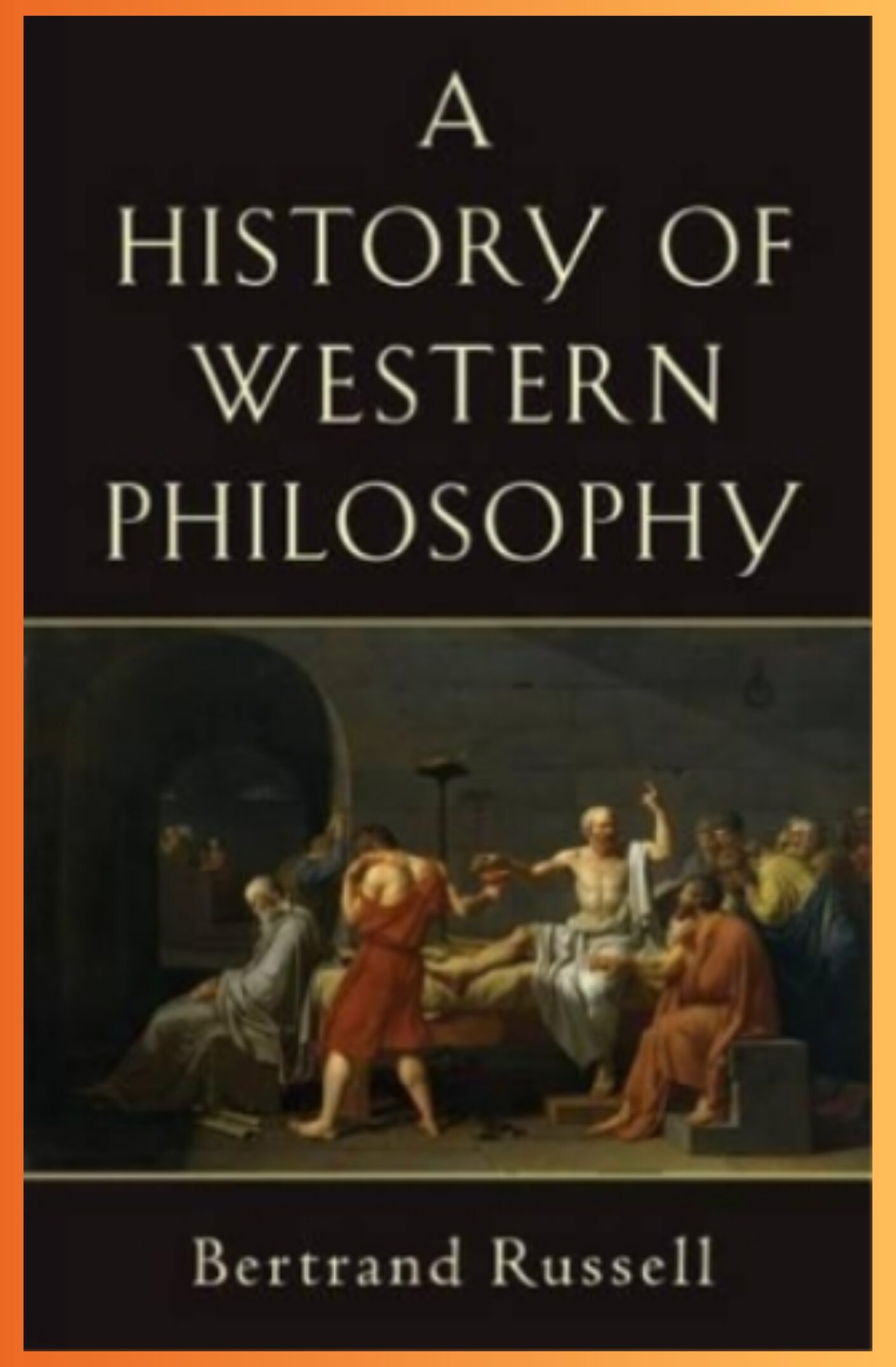
“The History of Western Philosophy” is a seminal work by Bertrand Russell, the renowned philosopher and Nobel laureate. First published in 1945, this book offers an extensive survey of Western philosophy from the pre-Socratic period to the early 20th century.
In “The History of Western Philosophy,” Russell provides a detailed account of the development of philosophical thought, examining the ideas and arguments of key philosophers throughout history. He covers a wide range of thinkers, including Plato, Aristotle, Descartes, Spinoza, Kant, Hegel, and Nietzsche, among others.
One notable quote from the book is: “Philosophy, from the earliest times, has made greater claims, and achieved fewer results than any other branch of learning.” This quote encapsulates Russell’s view of philosophy as a field that is marked by its ambitious inquiries and modest achievements.
Another insightful quote is: “To teach how to live without certainty, and yet without being paralyzed by hesitation, is perhaps the chief thing that philosophy, in our age, can still do for those who study it.” Here, Russell highlights the value of philosophy in cultivating resilience and adaptability in the face of uncertainty.
Throughout “The History of Western Philosophy,” Russell delves into various schools of philosophical thought, including idealism, empiricism, rationalism, and existentialism. He provides clear, accessible explanations of complex philosophical concepts, making the book an excellent resource for both beginners and seasoned enthusiasts.
Russell also discusses the broader cultural and historical contexts in which these philosophical ideas emerged. He emphasizes the interplay between philosophy and other disciplines, such as science, religion, and politics, illustrating how philosophical thought shapes and is shaped by societal developments.
In the later sections, Russell reflects on the ongoing relevance of philosophy, suggesting that it continues to offer valuable insights into the fundamental questions of life. He argues that despite its limitations, philosophy plays a crucial role in promoting intellectual curiosity, critical thinking, and ethical reflection.
In conclusion, “The History of Western Philosophy” by Bertrand Russell offers a comprehensive and engaging overview of Western philosophical thought. Its blend of historical analysis, philosophical insight, and cultural commentary make it a must-read for anyone interested in philosophy or intellectual history. The book serves as a testament to Russell’s lucid writing style and profound understanding of philosophy, providing readers with a deeper appreciation of its richness and diversity.