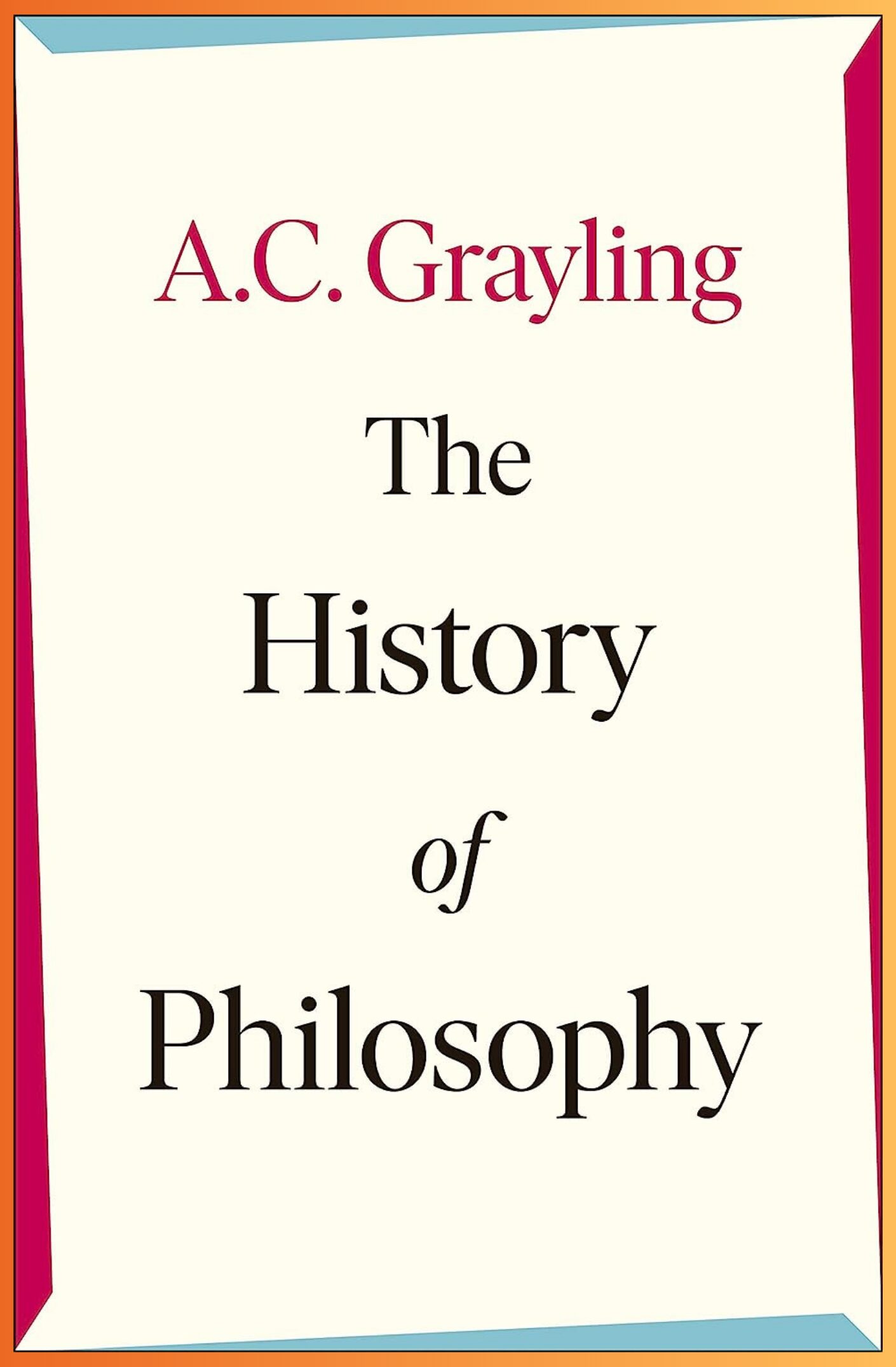
“The History of Philosophy” is an expansive work by A. C. Grayling, one of the leading philosophers of our time. Published in 2019, the book offers a comprehensive overview of Western philosophy, tracing its evolution from ancient times to the present day.
In “The History of Philosophy,” Grayling takes readers on an intellectual journey through the rich landscape of philosophical thought. He explores the ideas and arguments of some of the world’s greatest philosophers, including Socrates, Plato, Aristotle, Descartes, Kant, and Nietzsche, among others.
One notable quote from the book is: “Philosophy matters. It matters not merely because it helps us live intellectually considered lives; that is, lives made rich by thought about the nature and meaning of our condition.” This quote encapsulates Grayling’s belief in the value of philosophy, underscoring its role in enhancing our understanding of the world and our place in it.
Another insightful quote is: “The history of philosophy is thus a story of different views about reality, knowledge, the character of good life, and the great questions of existence and the cosmos.” Here, Grayling highlights the broad scope of philosophy, suggesting that it encompasses a wide range of inquiries into the fundamental aspects of human experience and the universe.
Throughout “The History of Philosophy,” Grayling delves into various schools of thought and philosophical movements, from pre-Socratic philosophy and Stoicism to existentialism and postmodernism. He provides clear, accessible explanations of complex ideas, making the book suitable for both newcomers and seasoned enthusiasts.
Grayling also discusses the broader cultural and historical contexts in which these philosophical ideas emerged. He emphasizes the interplay between philosophy and other fields, such as science, art, and politics, illustrating how philosophical thought shapes and is shaped by wider societal developments.
In the later sections, Grayling reflects on the ongoing relevance of philosophy, arguing that it remains a vital field of inquiry in the modern world. He suggests that philosophy can offer valuable insights into contemporary issues and challenges, from ethical dilemmas and political conflicts to questions of identity and meaning.
In conclusion, “The History of Philosophy” by A. C. Grayling offers a thorough and engaging overview of Western philosophy. Its blend of historical analysis, philosophical insight, and cultural commentary make it a must-read for anyone interested in philosophy or intellectual history. The book serves as a testament to the enduring relevance and richness of philosophical thought, providing readers with a deeper appreciation of its significance and diversity.