
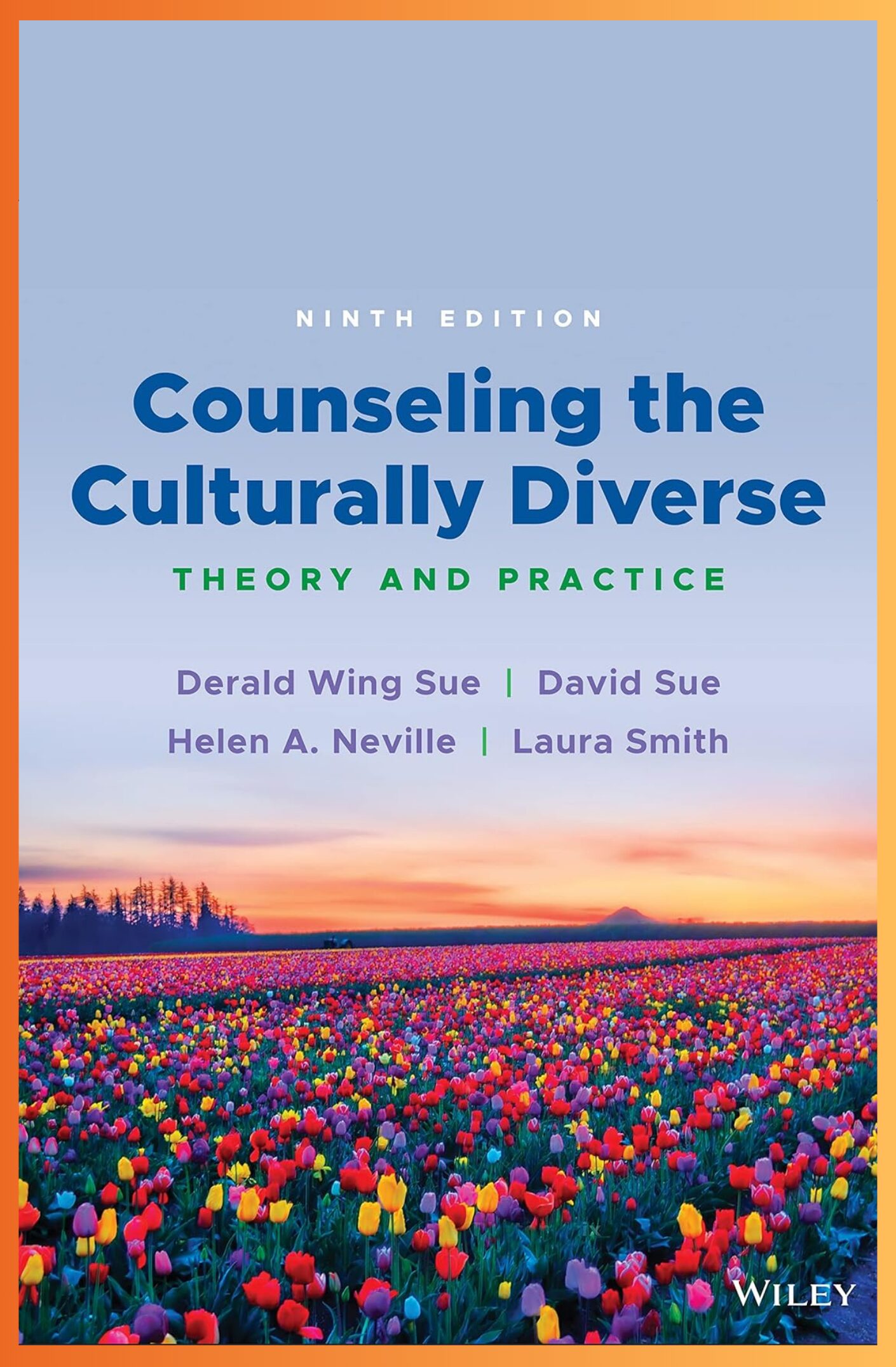
“Counseling the Culturally Diverse: Theory and Practice” by Derald Wing Sue and David Sue is a groundbreaking exploration of multicultural counseling, a field that has become more significant than ever in our diverse society. This book is not just an academic text; it is a compelling call to action for therapists, psychologists, and social workers who are striving to understand and navigate the complex landscape of cultural diversity in their practice.
The authors, both renowned experts in multicultural counseling, delve deep into the nuances of cultural dynamics and their impact on the therapeutic relationship. They challenge traditional Eurocentric perspectives in psychology and present a comprehensive framework for understanding the unique experiences of clients from various cultural backgrounds.
One of the key ideas presented in the book is the concept of ‘cultural competence.’ The authors argue that it is not enough for therapists to be merely aware of cultural differences; they must strive to attain a level of cultural competence. This means understanding not only the cultural norms and values of different groups but also recognizing how societal power dynamics and biases affect individuals from marginalized communities.
The book also emphasizes the importance of self-awareness and self-examination in the therapeutic process. The authors suggest that therapists need to acknowledge their own biases and prejudices and understand how these can influence their interactions with clients.
A quote that encapsulates this idea is: “The greatest and most important learning is about oneself. Only through self-understanding can we hope to understand others.” This statement underscores the significance of introspection in becoming a culturally competent therapist.
The second key idea is the ‘Tripartite Model of Personal Identity,’ which proposes that an individual’s identity is composed of individual, group, and universal levels. This model provides a comprehensive lens for understanding the multifaceted identities of clients and the various factors that shape their experiences.
A thought-provoking quote that illustrates this concept is: “We are all like snowflakes, unique in our own way, yet similar in our humanity.” This quote beautifully captures the essence of the Tripartite Model, reminding us of the intricate balance between individuality and shared human experience.
“Counseling the Culturally Diverse: Theory and Practice” is an enlightening journey into the realm of multicultural counseling. It challenges readers to question their assumptions, broaden their perspectives, and strive towards creating a more inclusive and empathetic therapeutic space. It is not just a book; it is a tool for transformation, a beacon guiding therapists towards a more understanding, compassionate, and effective practice.
This book is a must-read for anyone involved in the therapeutic professions – it is not only an eye-opener but also a game-changer. By delving into this book, you will emerge with a deeper understanding of cultural diversity and a renewed commitment to promoting equity and inclusivity in your practice. So, if you are ready to embark on this transformative journey, grab your copy of “Counseling the Culturally Diverse: Theory and Practice” today!